Introduction
Artificial Intelligence, or AI, was once just an idea for the future. But now it is real and part of our daily life. In 2025, AI will not only be in labs or tech companies. Instead, we see it in homes, schools, and workplaces. Because of AI, the way we live, learn, and talk to each other is changing. So, what is different now? And how is AI making everyday life new?
AI in Daily Life
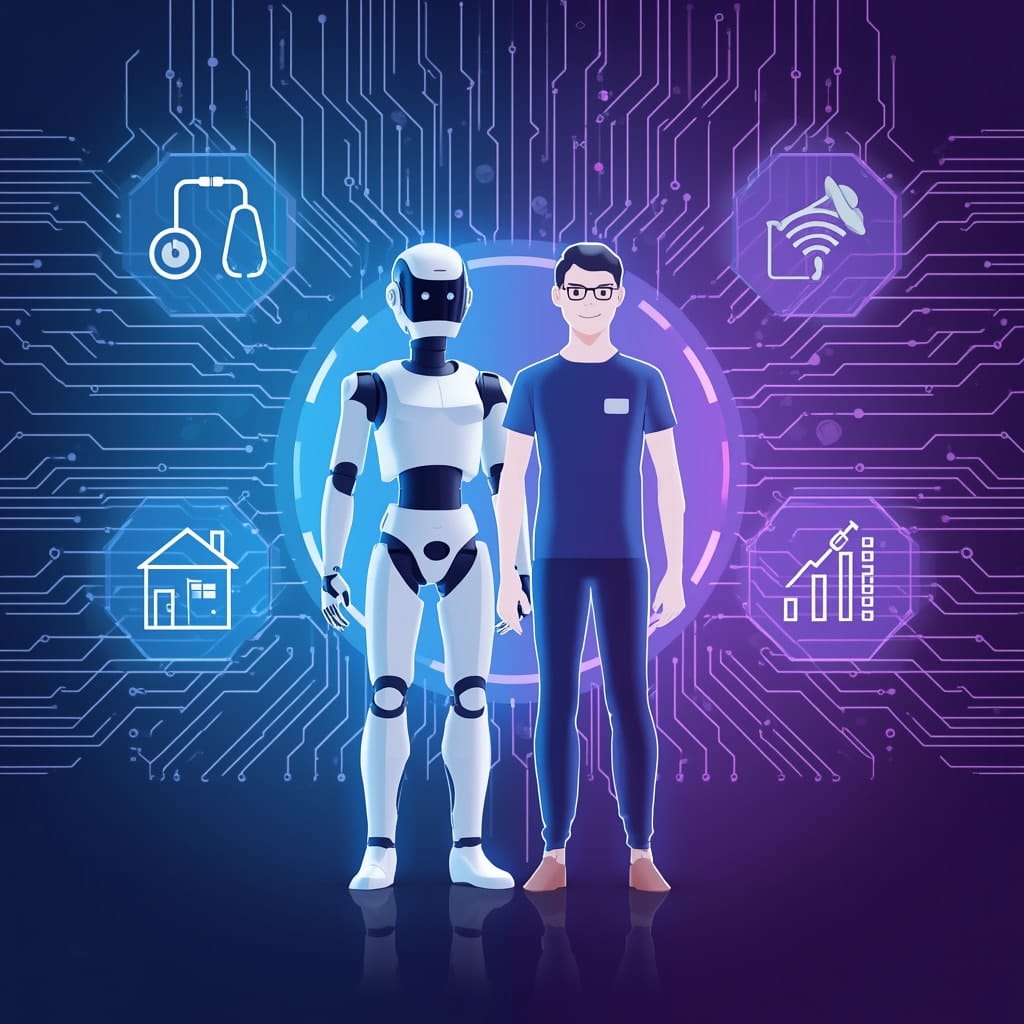
From the moment we wake up to the time we go to bed, AI quietly powers many of our activities.
- Smart Homes: Voice assistants like Alexa and Google Assistant have evolved into intelligent home managers that control lighting, security, and appliances.
- Entertainment: Streaming platforms recommend shows tailored to your mood, while AI-powered apps create personalized playlists or even generate short films and music.
- Personal Assistance: AI-based chatbots and scheduling tools now act like virtual secretaries, handling tasks and reminders.
AI is no longer invisible, it’s becoming a personal companion.
AI in Work & Business
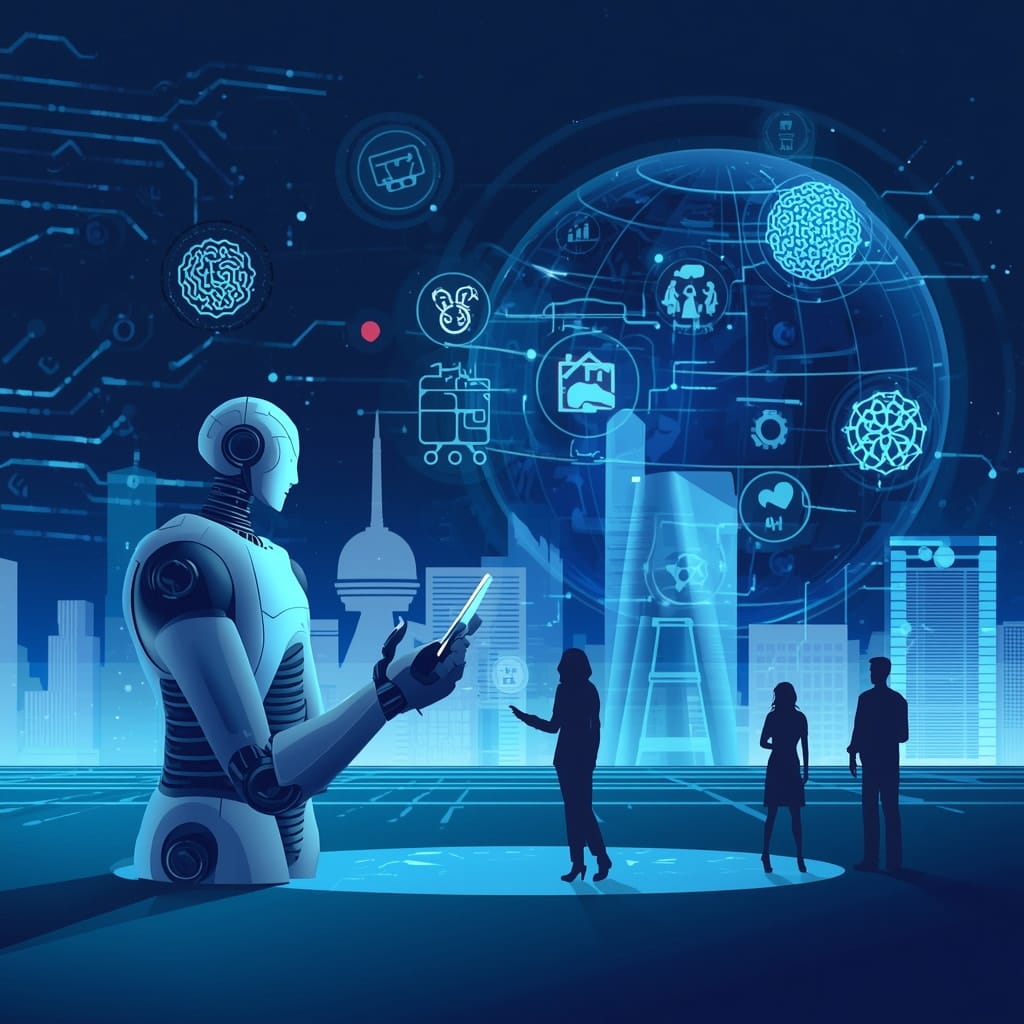
AI is revolutionizing workplaces by enhancing productivity and decision-making.
- Automation of Tasks: AI handles repetitive data entry, report generation, and workflow optimization.
- Decision Support: Predictive analytics enable businesses to forecast sales, customer behavior, and potential risks.
- Creative Assistance: Tools like ChatGPT, MidJourney, and Copilot empower writers, designers, and developers to accelerate creativity rather than replace it.
Instead of being a job killer, AI is increasingly acting as a collaborator.
AI in Healthcare & Education
Two of the most important areas of society are witnessing groundbreaking AI adoption:
- Healthcare: AI systems can analyze scans, detect diseases earlier, and even design personalized treatments. Virtual health assistants provide quick guidance and reduce hospital burden.
- Education: Adaptive learning platforms adjust lessons to each student’s strengths and weaknesses. Teachers are using AI to save time on grading and focus more on mentoring.
AI is helping make healthcare more precise and education more accessible.
Challenges & Risks
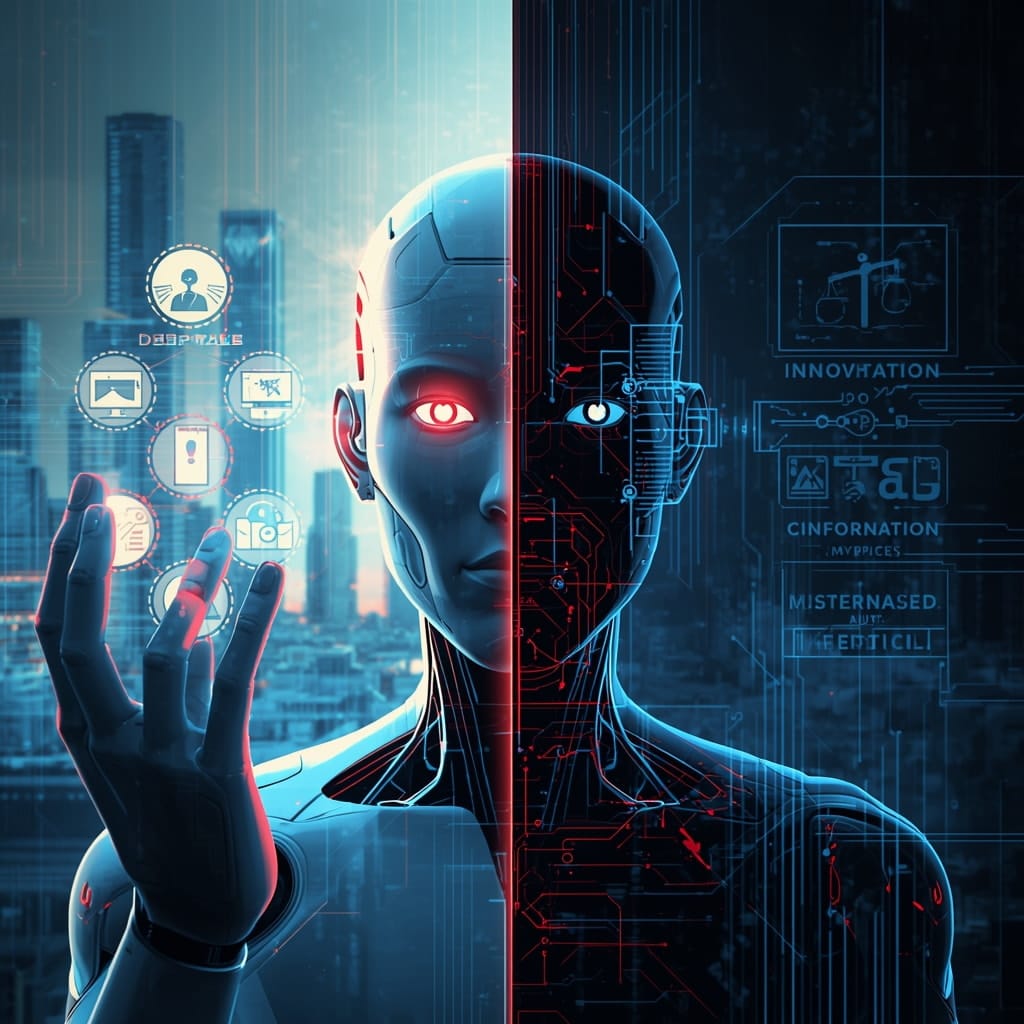
AI has many benefits, but it also has challenges.
Bias and Fairness: If AI learns from bad data, it can treat people unfairly.
Misinformation: AI can make fake videos and content. This makes it hard to know what is real.
Job Loss: AI can take over some jobs, even though it also creates new ones.
Ethics: Who is responsible when AI makes a mistake?
Society must address these issues responsibly to fully benefit from AI.
The Road Ahead
By 2030, AI is expected to be even more personalized, efficient, and integrated into every aspect of human life. We may see AI doctors, AI-powered classrooms, and fully autonomous cities. Yet the key will be balance. Using AI to complement human skills, not replace them.
Conclusion
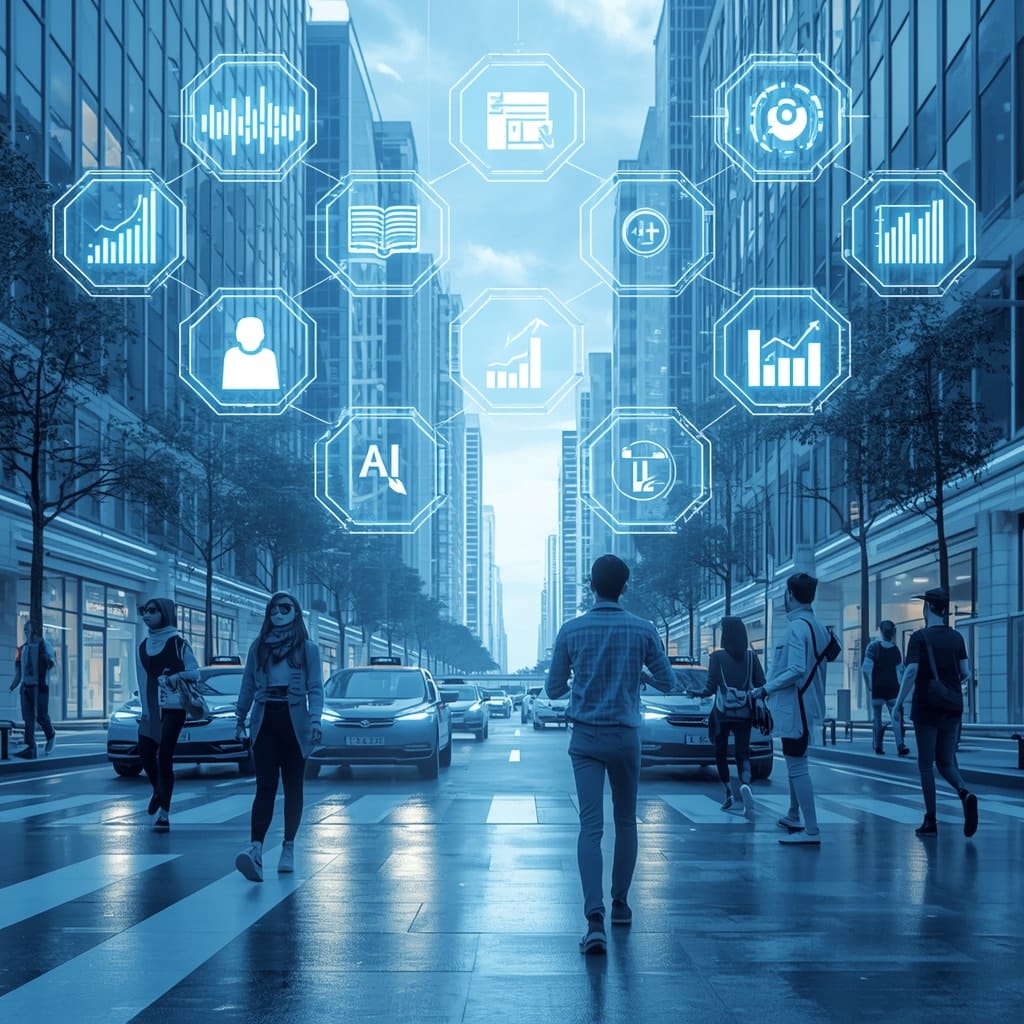
AI in 2025 is more than a machine. It is like a helper in daily life. We see it in homes, hospitals, schools, and offices. AI is already part of our world, changing how we live and think. The big question is not if it will change our lives; it already has. The real question is how we will live with it as it grows smarter.
So, for more updates and fun, follow us on Instagram!
It’s really good to work on this, so user friendly interface, I would recommend everyone to explore and try techopulse. Thankyou
Your conclusion is clear, impactful, and leaves readers with a thought-provoking question. It effectively frames AI as a partner, not just a tool. To improve, you could add a hint of balance by briefly noting challenges or specifying types of change for sharper impact.
Very good website. Seamless UI and UX. Keep up the good work.
Can you share your website blogs with us .we will pay you handsome amount. Please work for us.
Ok.
We want blog writer and content creator.
Am available Ma’am.
Creative website provides new things awareness among people
Thanks 4 ur feedback
Nice 👍 website
<3