What are Virtual Machines (VMs)?
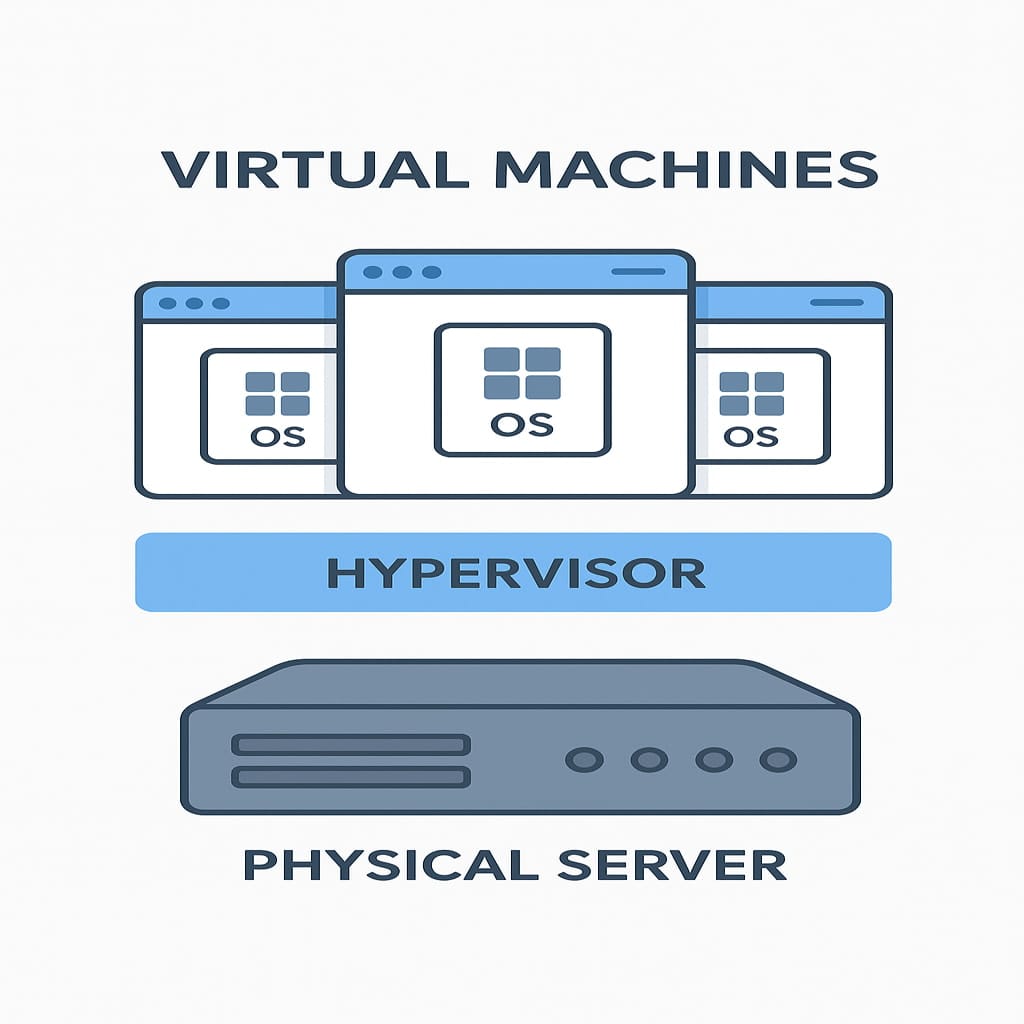
A Virtual Machine (VM) is like a computer inside another computer. Each VM has its operating system. It also runs its apps. The hardware is shared through a program called a hypervisor. VMs keep things separate and safe. They are suitable for running legacy software, full operating systems, or demanding tasks. But they need a lot of resources. They also start slowly.
How are Containers Different?
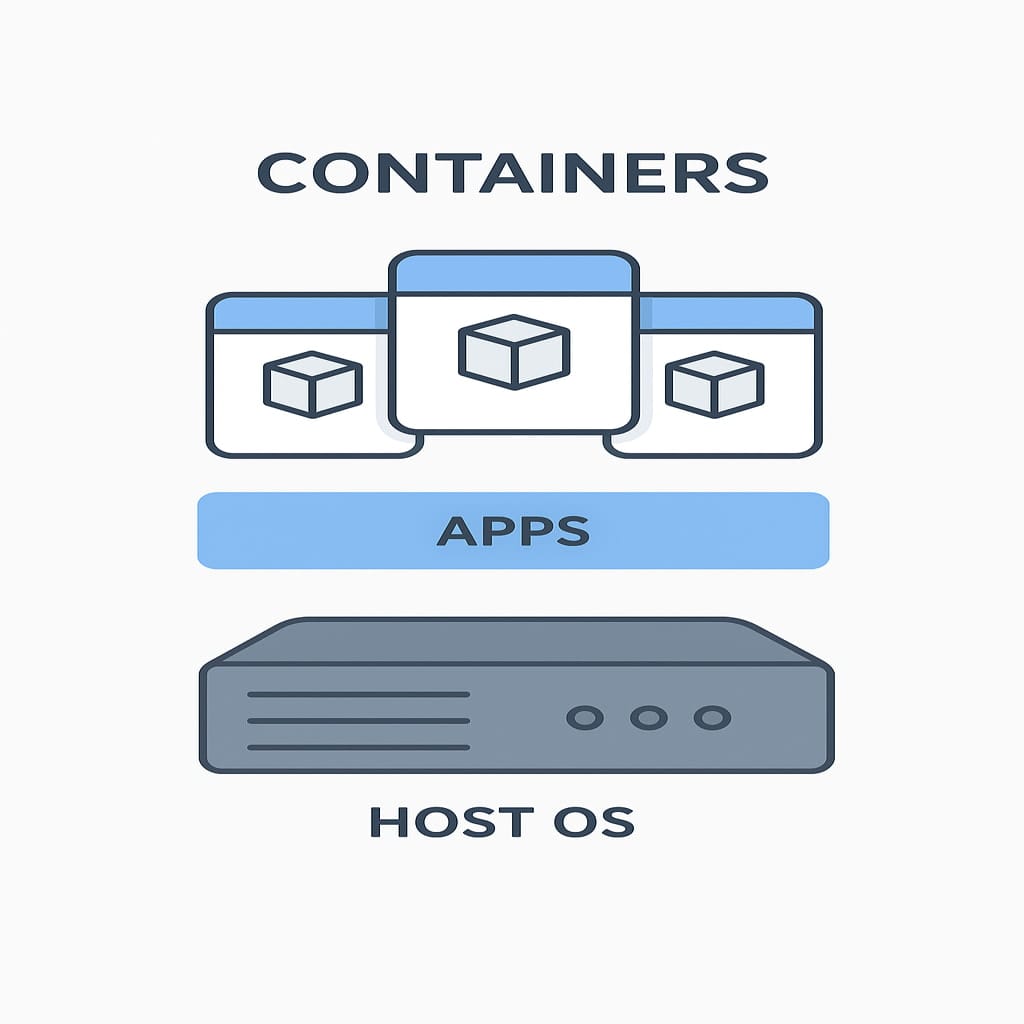
Containers are small and lightweight. They package an app with everything it needs to run. Containers share the host operating system instead of using a full one of their own. This makes them start quickly and use fewer resources than VMs. Developers use containers for microservices, DevOps pipelines, and apps that need to scale. Tools like Docker and Kubernetes help manage them.
What is Serverless Computing?
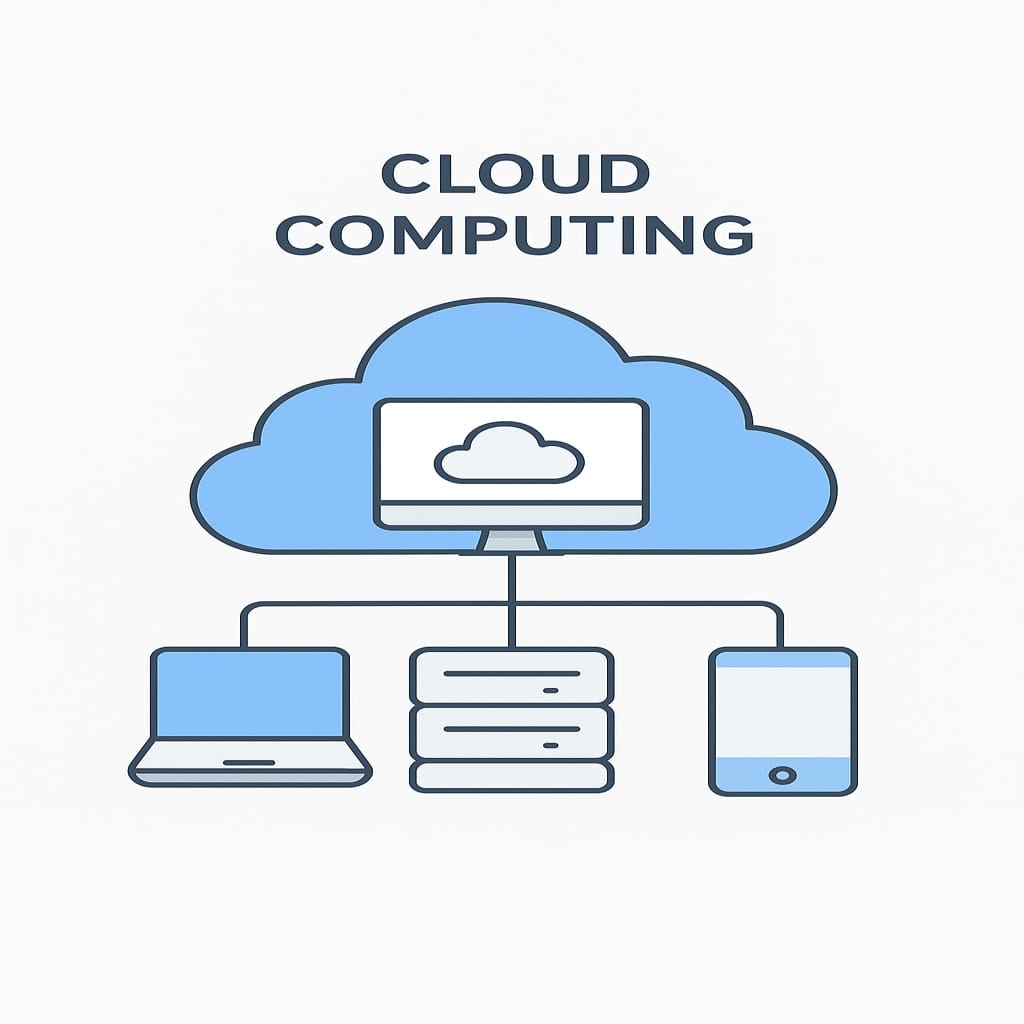
Serverless computing hides the servers from developers. You don’t manage the infrastructure. You only write small functions that run when something happens, like an HTTP request. Cloud providers such as AWS Lambda, Google Cloud Functions, and Azure Functions take care of scaling, provisioning, and maintenance. You pay only when the function runs, which makes serverless cost-effective for workloads that change in size.
When Should Each Be Used?
- VMs: Best for heavy, long-running workloads, legacy apps, or when full OS isolation is needed.
- Containers: Ideal for microservices, CI/CD pipelines, and applications needing portability and efficiency.
- Serverless: Perfect for event-driven workloads, APIs, automation tasks, and unpredictable traffic.
What is the Key Difference?
In short, VMs act like full computers and simulate hardware. Containers package apps in a fast and efficient way. Serverless removes the need to manage servers at all. The best choice depends on your use case, the type of workload, and how much you need to scale.
Subscribe to our YouTube channel to learn more about serverless computing.
Well defined blog
<3
AI is the future
Not exactly. We are the ones who will shape it.
Wahoooo amazing info
👏👏👏